Transform your Transposts and logistics operations with advanced AI solutions that tackle the industry's most complex challenges.
From optimizing container handling and reducing vessel turnaround times to enhancing supply chain visibility, predicting cargo flows, and extracting strategic insights from vast logistics data, we empower port authorities, terminal operators, and logistics providers to deliver efficient, resilient, and intelligent cargo operations that keep global trade moving.




















Modern Transposts and logistics operations face unprecedented complexity from increasing cargo volumes, supply chain disruptions, environmental regulations, and the demand for real-time visibility. Port congestion, equipment optimization, labor shortages, and the need for sustainable operations create multifaceted challenges that require intelligent solutions.

Inefficient container stacking and retrieval operations create bottlenecks and increase dwell times. AI-powered yard optimization algorithms maximize container density, minimize handling moves, and optimize crane operations for faster throughput.

Port congestion and suboptimal berth allocation result in costly vessel delays and reduced capacity utilization. AI-driven berth scheduling and traffic management systems optimize vessel arrivals, reduce waiting times, and maximize port capacity.

Unplanned equipment failures of cranes, trucks, and handling equipment cause significant operational disruptions. AI models analyze equipment sensor data to predict failures, optimize maintenance schedules, and reduce costly downtime.

Lack of real-time cargo visibility and tracking creates delays and reduces customer satisfaction. AI-powered tracking systems provide end-to-end supply chain visibility, predictive ETAs, and proactive exception management.

Labor shortages and safety risks in port environments require intelligent workforce management solutions. AI optimizes crew scheduling, monitors safety compliance, and predicts workforce needs for efficient operations.

Strict environmental regulations and sustainability mandates require continuous monitoring and optimization. AI automates emissions tracking, optimizes energy consumption, and supports green port initiatives for sustainable operations.
Modern Transposts and logistics operations face unprecedented complexity from increasing cargo volumes, supply chain disruptions, environmental regulations, and the demand for real-time visibility. Port congestion, equipment optimization, labor shortages, and the need for sustainable operations create multifaceted challenges that require intelligent solutions.
Inefficient container stacking and retrieval operations create bottlenecks and increase dwell times. AI-powered yard optimization algorithms maximize container density, minimize handling moves, and optimize crane operations for faster throughput.
Port congestion and suboptimal berth allocation result in costly vessel delays and reduced capacity utilization. AI-driven berth scheduling and traffic management systems optimize vessel arrivals, reduce waiting times, and maximize port capacity.
Unplanned equipment failures of cranes, trucks, and handling equipment cause significant operational disruptions. AI models analyze equipment sensor data to predict failures, optimize maintenance schedules, and reduce costly downtime.
Lack of real-time cargo visibility and tracking creates delays and reduces customer satisfaction. AI-powered tracking systems provide end-to-end supply chain visibility, predictive ETAs, and proactive exception management.
Labor shortages and safety risks in port environments require intelligent workforce management solutions. AI optimizes crew scheduling, monitors safety compliance, and predicts workforce needs for efficient operations.
Strict environmental regulations and sustainability mandates require continuous monitoring and optimization. AI automates emissions tracking, optimizes energy consumption, and supports green port initiatives for sustainable operations.
Modern Transposts and logistics operations face unprecedented complexity from increasing cargo volumes, supply chain disruptions, environmental regulations, and the demand for real-time visibility. Port congestion, equipment optimization, labor shortages, and the need for sustainable operations create multifaceted challenges that require intelligent solutions.
Inefficient container stacking and retrieval operations create bottlenecks and increase dwell times. AI-powered yard optimization algorithms maximize container density, minimize handling moves, and optimize crane operations for faster throughput.
Port congestion and suboptimal berth allocation result in costly vessel delays and reduced capacity utilization. AI-driven berth scheduling and traffic management systems optimize vessel arrivals, reduce waiting times, and maximize port capacity.
Unplanned equipment failures of cranes, trucks, and handling equipment cause significant operational disruptions. AI models analyze equipment sensor data to predict failures, optimize maintenance schedules, and reduce costly downtime.
Lack of real-time cargo visibility and tracking creates delays and reduces customer satisfaction. AI-powered tracking systems provide end-to-end supply chain visibility, predictive ETAs, and proactive exception management.
Labor shortages and safety risks in port environments require intelligent workforce management solutions. AI optimizes crew scheduling, monitors safety compliance, and predicts workforce needs for efficient operations.
Strict environmental regulations and sustainability mandates require continuous monitoring and optimization. AI automates emissions tracking, optimizes energy consumption, and supports green port initiatives for sustainable operations.
Our AI solutions enable transposts and logistics companies to enhance operational efficiency, reduce costs, and improve supply chain resilience. With xLoop, you can achieve measurable results and sustainable growth in the competitive global trade environment.
Client Retention Rate
Customer Satisfaction Rate
Successful Project
Unlock the full potential of your transposts and logistics operations with AI-driven solutions.

AI optimizes container movements, berth scheduling, and equipment utilization to maximize throughput and reduce vessel turnaround times.

Automate routine processes, optimize resource allocation, and implement predictive maintenance to significantly lower operational expenses and improve profitability.

Provide real-time cargo tracking, predictive analytics, and proactive exception management to enhance customer satisfaction and operational transparency.

AI-powered safety monitoring and automated compliance reporting ensure adherence to international maritime regulations and environmental standards.

Leverage comprehensive analytics and predictive models to optimize capacity planning, identify growth opportunities, and make informed investment decisions.

AI optimizes container movements, berth scheduling, and equipment utilization to maximize throughput and reduce vessel turnaround times.

Automate routine processes, optimize resource allocation, and implement predictive maintenance to significantly lower operational expenses and improve profitability.

Provide real-time cargo tracking, predictive analytics, and proactive exception management to enhance customer satisfaction and operational transparency.

AI-powered safety monitoring and automated compliance reporting ensure adherence to international maritime regulations and environmental standards.

Leverage comprehensive analytics and predictive models to optimize capacity planning, identify growth opportunities, and make informed investment decisions.



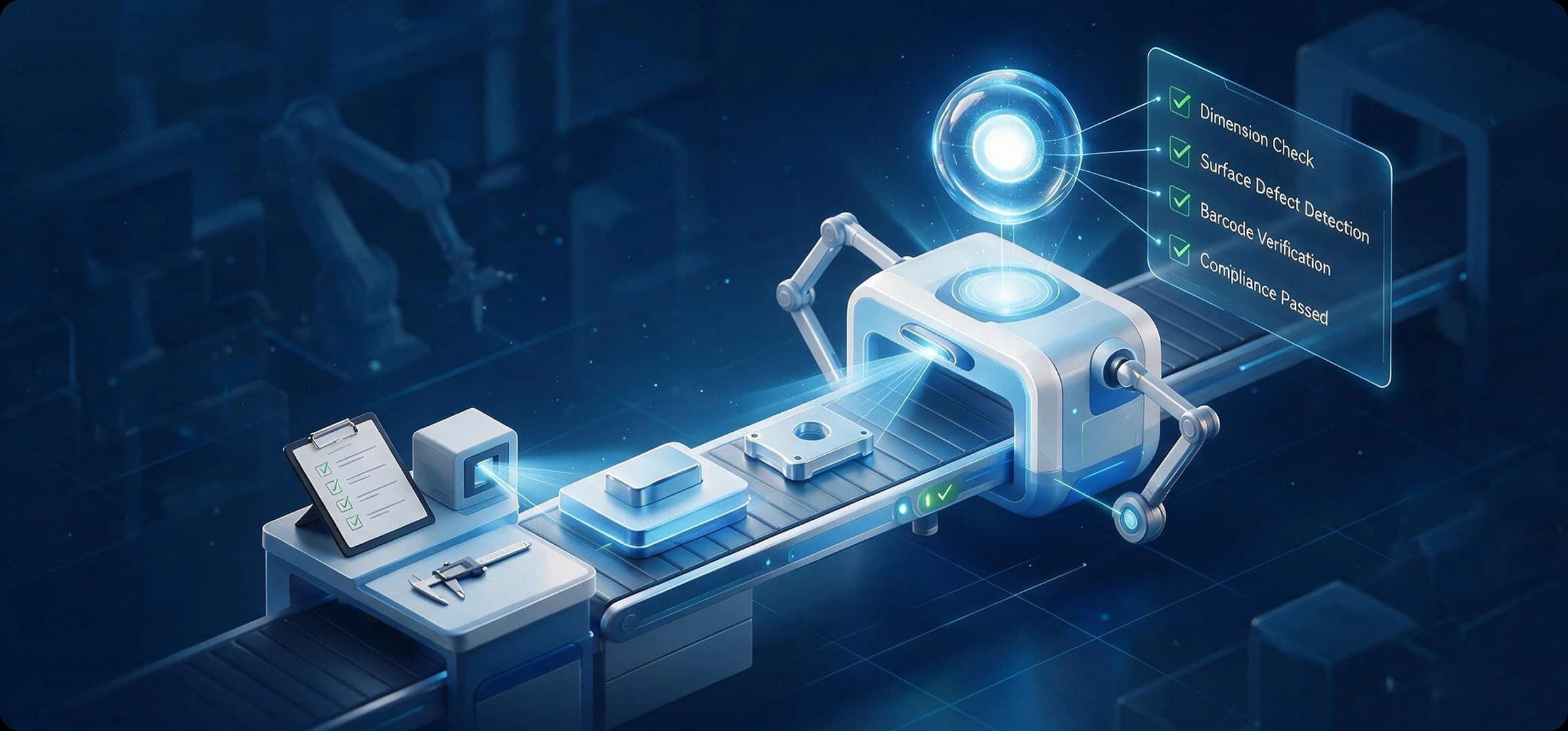
5 Signs Your Quality Control Process Is Ready for Autonomous Inspection
7 AI Use Cases South African Enterprises Are Investing In

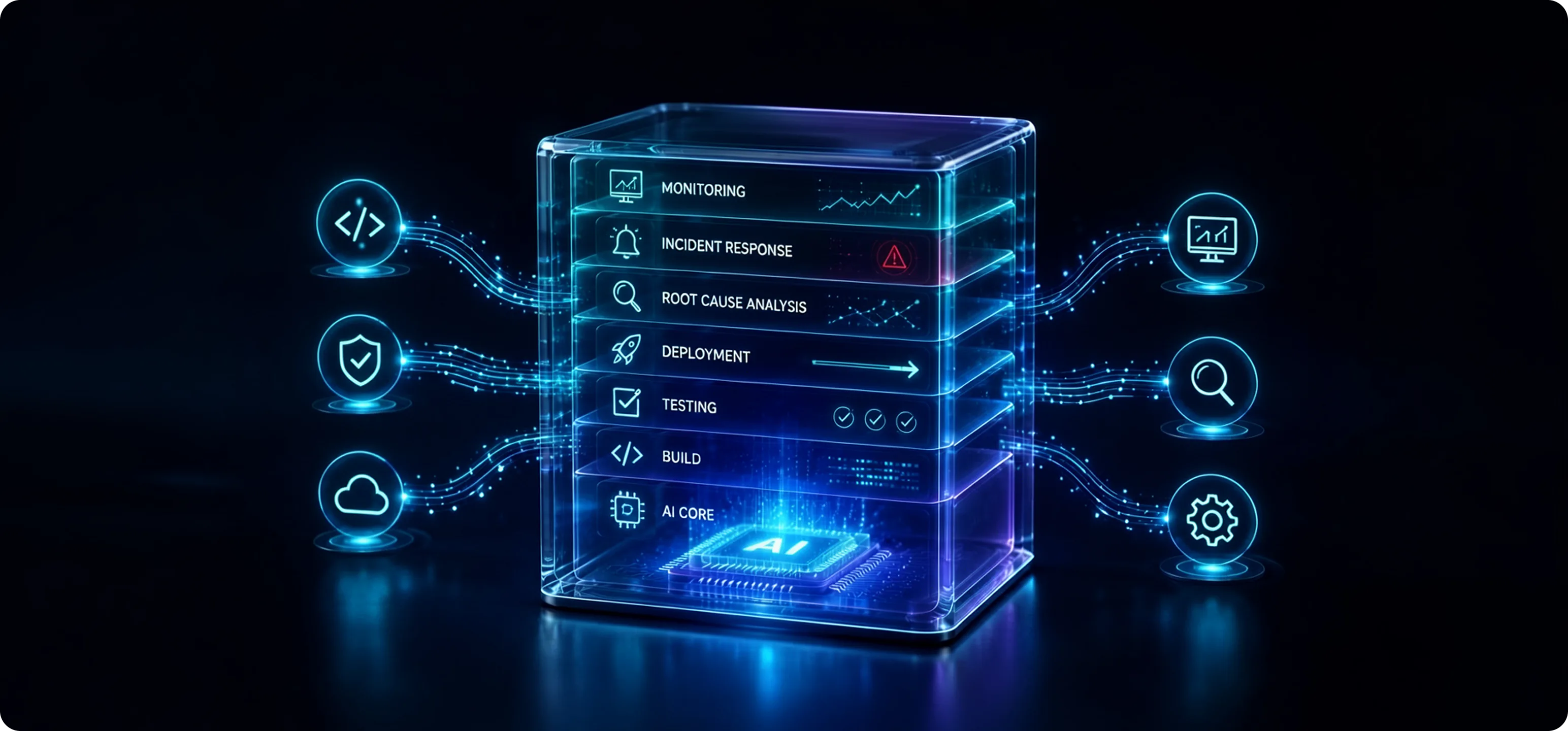
Using AI Agents in DevOps to Automate CI/CD, Incident Response, & Root Cause Analysis