
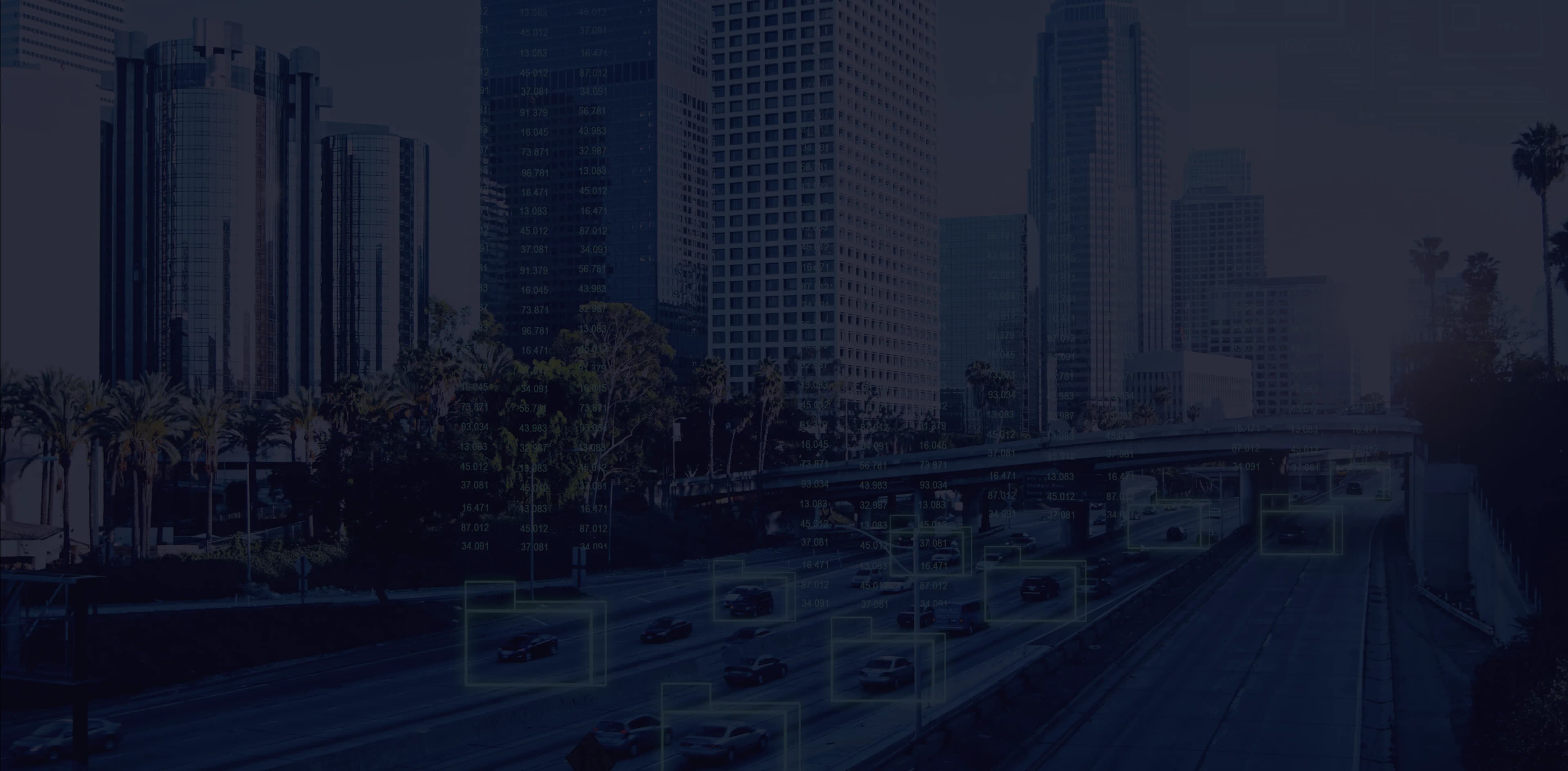
Transform urban environments with cutting-edge AI solutions that address the complex challenges of modern city management.
From optimizing traffic flow and improving public safety to enhancing citizen services, managing smart infrastructure, and extracting actionable insights from city-wide data ecosystems, we empower municipal governments, urban planners, and smart city integrators to create sustainable and efficient cities for the future.




















Modern cities face mounting pressures from rapid urbanization, aging infrastructure, environmental concerns, and growing citizen expectations for digital services. Traffic congestion, resource management, public safety, and the need for sustainable urban development create complex challenges that require intelligent, integrated solutions.

Urban congestion, inefficient public transit, and parking shortages reduce economic productivity and quality of life. AI-powered traffic management systems optimize signal timing, route planning, and multimodal transportation integration for seamless urban mobility.

Rising security concerns and emergency response coordination challenges threaten citizen safety and confidence. AI-driven surveillance analytics, predictive policing models, and automated emergency dispatch systems enhance public safety and response efficiency.

Aging urban infrastructure requires proactive maintenance and intelligent resource allocation to prevent failures. AI monitors infrastructure health, predicts maintenance needs, and optimizes resource deployment for sustainable city operations.

Citizens expect seamless, 24/7 access to municipal services and real-time information about city operations. AI-powered citizen service platforms provide personalized assistance, automate routine processes, and enhance digital government interactions.

Air quality, noise pollution, and energy consumption require continuous monitoring and optimization for livable cities. AI analyzes environmental data, optimizes energy usage, and supports sustainability initiatives for healthier urban environments.

Complex urban dynamics require comprehensive data analysis to support effective planning and policy decisions. AI integrates multiple data sources to provide predictive insights, scenario modeling, and evidence-based urban planning recommendations.
Modern cities face mounting pressures from rapid urbanization, aging infrastructure, environmental concerns, and growing citizen expectations for digital services. Traffic congestion, resource management, public safety, and the need for sustainable urban development create complex challenges that require intelligent, integrated solutions.
Urban congestion, inefficient public transit, and parking shortages reduce economic productivity and quality of life. AI-powered traffic management systems optimize signal timing, route planning, and multimodal transportation integration for seamless urban mobility.
Rising security concerns and emergency response coordination challenges threaten citizen safety and confidence. AI-driven surveillance analytics, predictive policing models, and automated emergency dispatch systems enhance public safety and response efficiency.
Aging urban infrastructure requires proactive maintenance and intelligent resource allocation to prevent failures. AI monitors infrastructure health, predicts maintenance needs, and optimizes resource deployment for sustainable city operations.
Citizens expect seamless, 24/7 access to municipal services and real-time information about city operations. AI-powered citizen service platforms provide personalized assistance, automate routine processes, and enhance digital government interactions.
Air quality, noise pollution, and energy consumption require continuous monitoring and optimization for livable cities. AI analyzes environmental data, optimizes energy usage, and supports sustainability initiatives for healthier urban environments.
Complex urban dynamics require comprehensive data analysis to support effective planning and policy decisions. AI integrates multiple data sources to provide predictive insights, scenario modeling, and evidence-based urban planning recommendations.
Modern cities face mounting pressures from rapid urbanization, aging infrastructure, environmental concerns, and growing citizen expectations for digital services. Traffic congestion, resource management, public safety, and the need for sustainable urban development create complex challenges that require intelligent, integrated solutions.
Urban congestion, inefficient public transit, and parking shortages reduce economic productivity and quality of life. AI-powered traffic management systems optimize signal timing, route planning, and multimodal transportation integration for seamless urban mobility.
Rising security concerns and emergency response coordination challenges threaten citizen safety and confidence. AI-driven surveillance analytics, predictive policing models, and automated emergency dispatch systems enhance public safety and response efficiency.
Aging urban infrastructure requires proactive maintenance and intelligent resource allocation to prevent failures. AI monitors infrastructure health, predicts maintenance needs, and optimizes resource deployment for sustainable city operations.
Citizens expect seamless, 24/7 access to municipal services and real-time information about city operations. AI-powered citizen service platforms provide personalized assistance, automate routine processes, and enhance digital government interactions.
Air quality, noise pollution, and energy consumption require continuous monitoring and optimization for livable cities. AI analyzes environmental data, optimizes energy usage, and supports sustainability initiatives for healthier urban environments.
Complex urban dynamics require comprehensive data analysis to support effective planning and policy decisions. AI integrates multiple data sources to provide predictive insights, scenario modeling, and evidence-based urban planning recommendations.
Our AI solutions enable municipalities and urban technology partners to enhance operational efficiency, improve citizen satisfaction, and accelerate smart city transformation. With xLoop, you can achieve quantifiable results and sustainable urban development.
Client Retention Rate
Customer Satisfaction Rate
Successful Project
Unlock the full potential of urban operations with AI-driven smart city solutions.

AI optimizes traffic flows, coordinates public transportation, and provides real-time mobility information to reduce congestion and improve citizen commute experiences.

Automate routine municipal processes, optimize resource allocation, and implement predictive maintenance to reduce costs and improve service delivery.

Provide 24/7 digital services, personalized city information, and proactive communication to increase citizen satisfaction and civic engagement.

AI-powered surveillance, predictive analytics, and automated emergency response systems create safer urban environments and faster incident resolution.

Leverage comprehensive city data and predictive models to support evidence-based planning, optimize resource investments, and achieve sustainability goals.

AI optimizes traffic flows, coordinates public transportation, and provides real-time mobility information to reduce congestion and improve citizen commute experiences.

Automate routine municipal processes, optimize resource allocation, and implement predictive maintenance to reduce costs and improve service delivery.

Provide 24/7 digital services, personalized city information, and proactive communication to increase citizen satisfaction and civic engagement.

AI-powered surveillance, predictive analytics, and automated emergency response systems create safer urban environments and faster incident resolution.

Leverage comprehensive city data and predictive models to support evidence-based planning, optimize resource investments, and achieve sustainability goals.



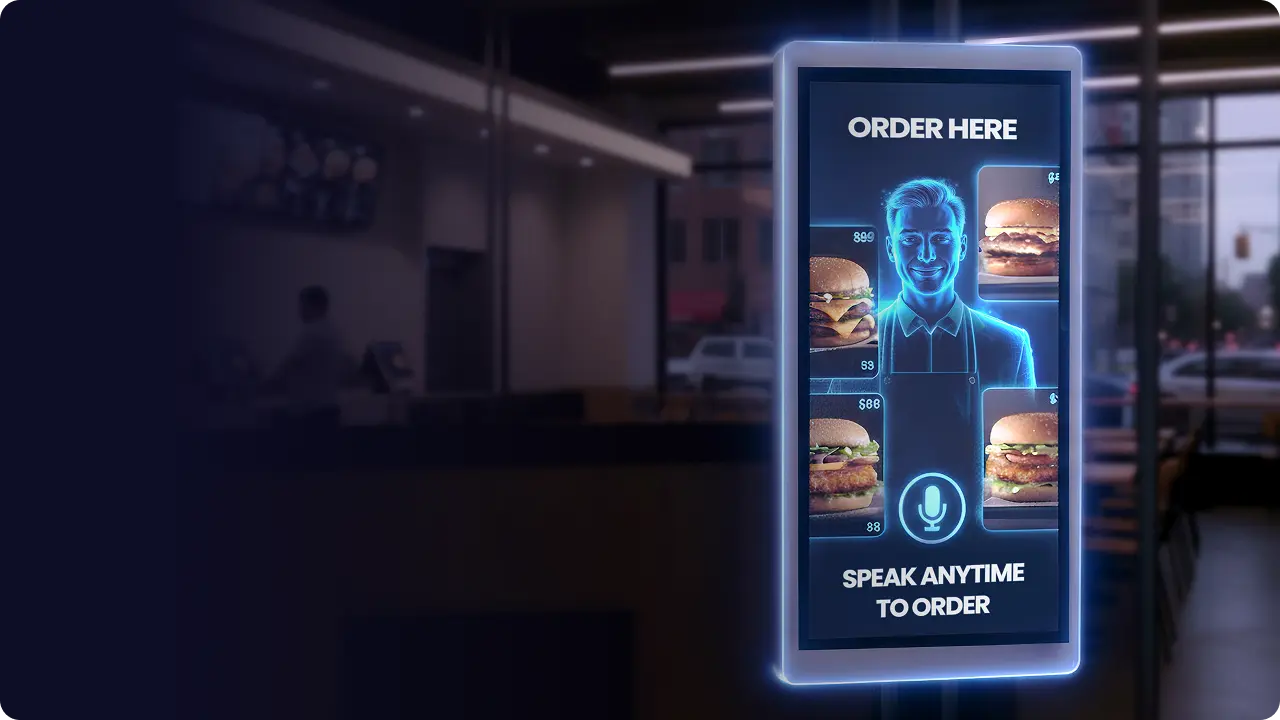
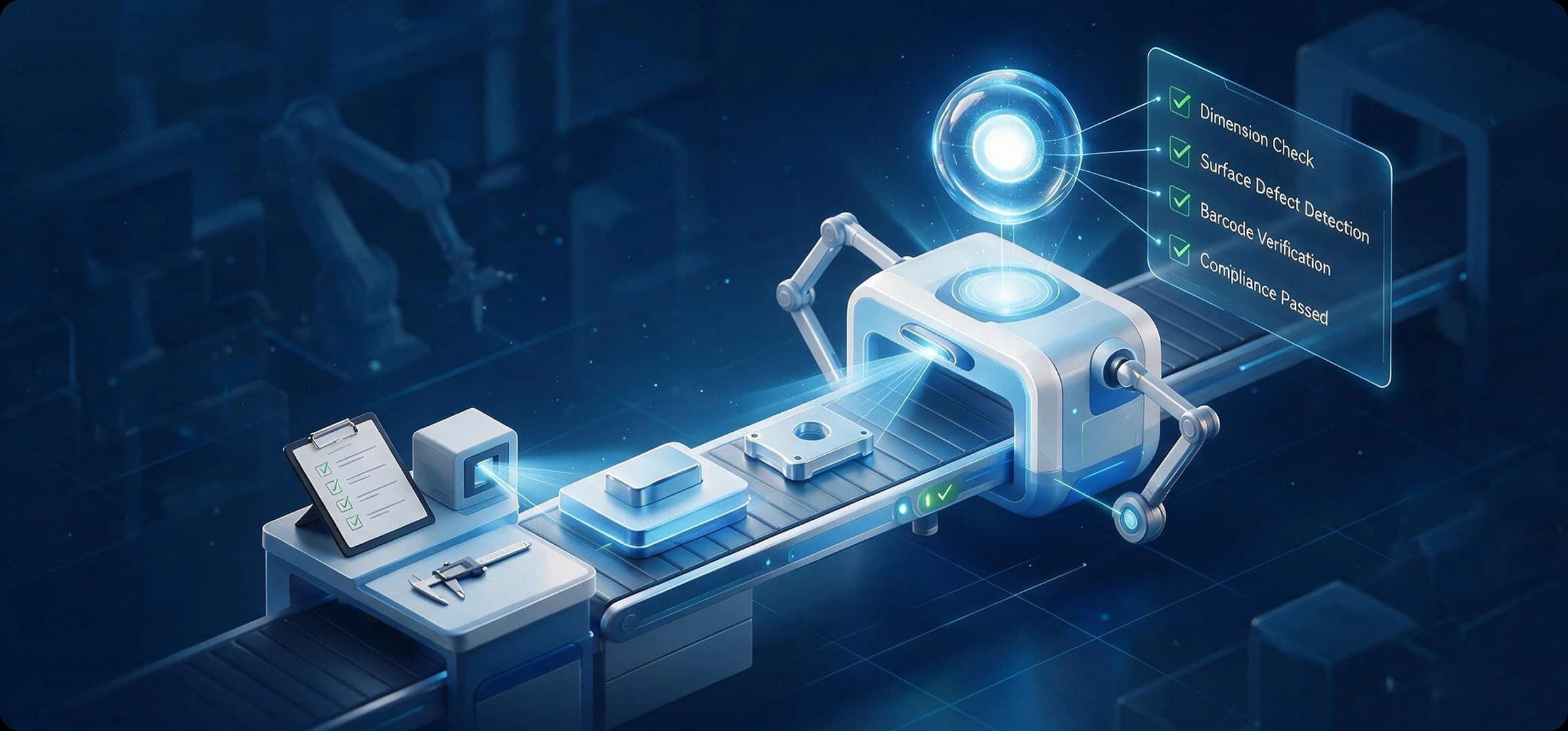
5 Signs Your Quality Control Process Is Ready for Autonomous Inspection
7 AI Use Cases South African Enterprises Are Investing In
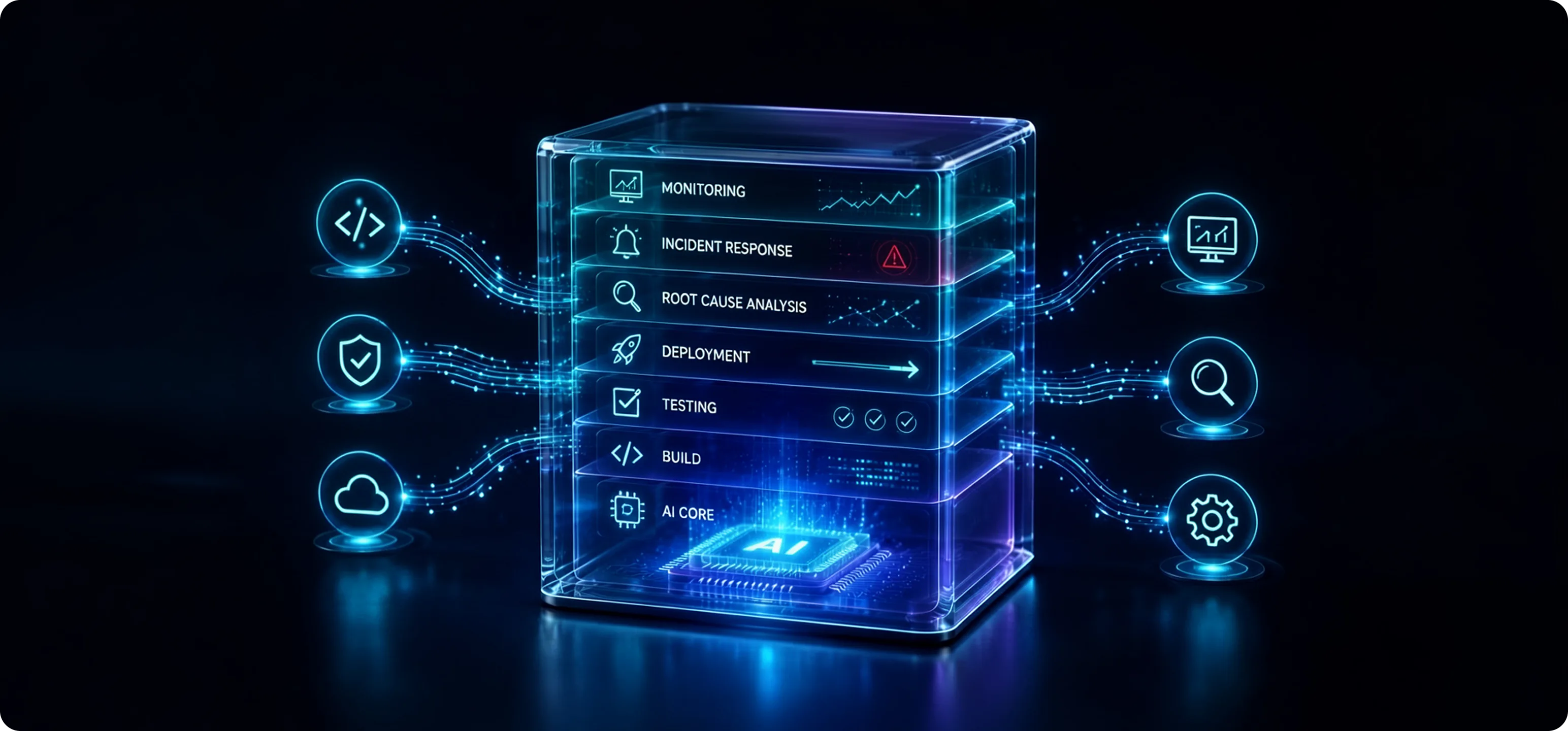
Using AI Agents in DevOps to Automate CI/CD, Incident Response, & Root Cause Analysis