


Why OT & IT Security Can’t Be an Afterthought in Digital Transformation
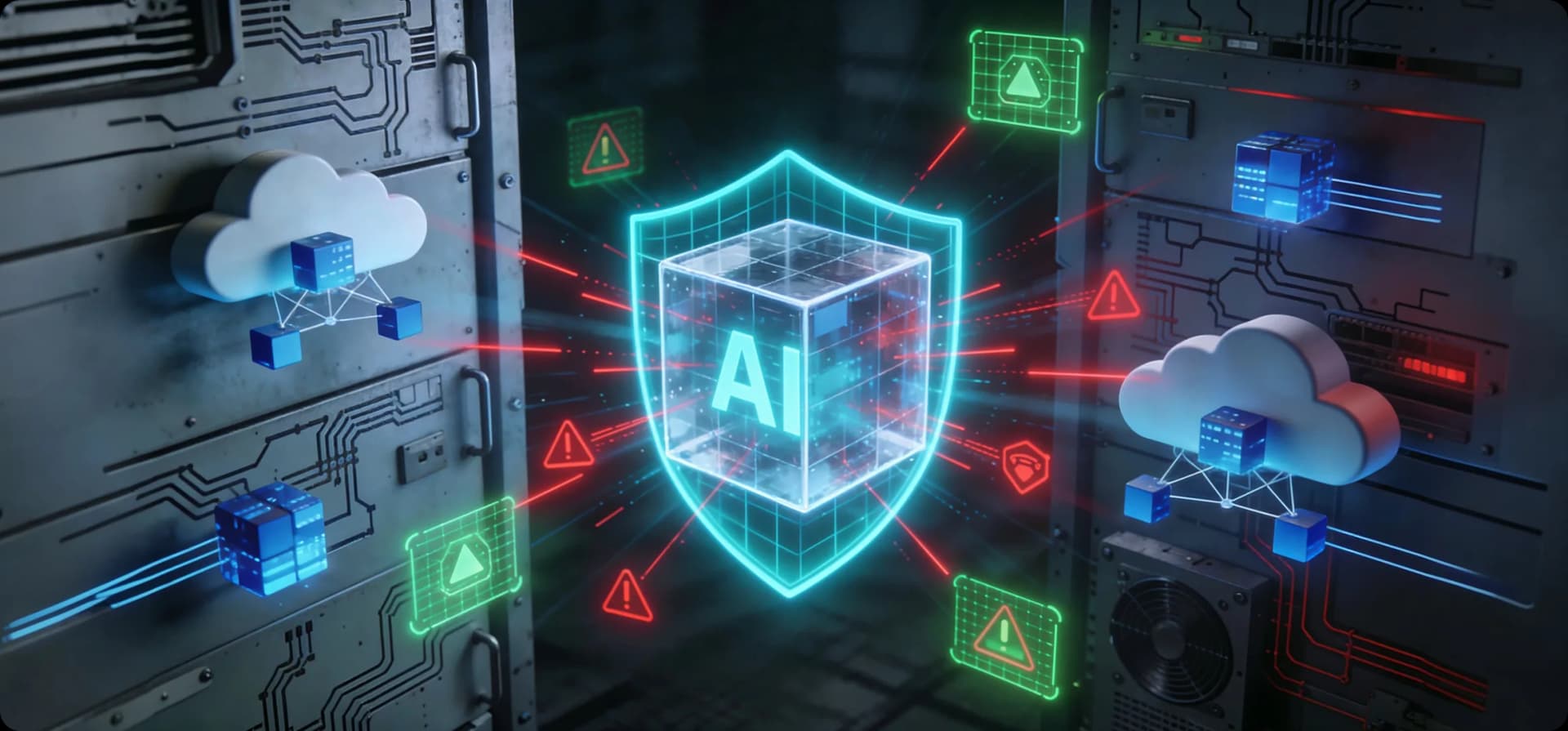
As energy organizations modernize, the convergence of IT and OT systems introduces security risks that traditional cybersecurity often overlooks. For companies managing power grids, pipelines, and generation of assets, this isn’t just a technical challenge it’s a critical operational imperative.
Critical infrastructure sectors are increasingly targeted by advanced adversaries who recognize that the IT/OT boundary is often the weakest link. Failures here do not just result in data breaches; they can cause operational disruption, catastrophic equipment damage, safety incidents, and severe regulatory exposure.
This article explores why IT/OT security is now a board-level concern, what “good” looks like in an industrial context, and how energy organizations can meet regulatory expectations without sacrificing grid reliability.
What Is OT Security And Why Is It Different?
Operational Technology (OT) refers to the hardware and software that monitors and controls physical processes—SCADA systems, PLCs, protective relays, and industrial machinery.
Historically, IT and OT existed in separate silos. IT teams focused on data confidentiality, while OT teams focused on physical reliability and uptime. Digital transformation has shattered this divide by connecting OT environments to corporate networks for real-time monitoring and predictive maintenance. While this drives efficiency, it also exposes industrial processes to IT-era threats, where the stakes are measured in physical safety and national security.
Why IT/OT Convergence Is A High-Stakes Risk
OT environments were built for longevity—often running on legacy hardware designed decades before modern cybersecurity was a concern. Many of these systems lack basic encryption, cannot be easily patched without significant downtime, and have no native authentication.
When these systems connect to modern IT networks, every vulnerability in the corporate environment becomes a potential bridgehead to your industrial control systems. Adversaries have taken notice; in 2025, 78% of CISOs reported that AI-powered threats were significantly impacting their organizations, with energy infrastructure remaining a primary target.
Common Vulnerabilities In The Energy Sector
The most frequent gaps identified in energy OT environments include:
- Inadequate Network Segmentation: A compromise in the corporate network can propagate directly into the control layer.
- Weak Access Controls: The reliance on default credentials, shared accounts, and a lack of Multi-Factor Authentication (MFA) on critical controllers.
- Poor Visibility: Many operators lack a complete, real-time inventory of their OT assets, leaving "ghost" devices unmonitored.
- Outdated Incident Response: Plans often exist for IT disasters but lack procedures for safe, manual, or isolated industrial operations during an OT-specific breach.
- Security Awareness Gaps: Operations staff often lack training on the specific threat scenarios that jeopardize physical assets.
The Holistic Approach: Security As Operational Resilience
The most effective strategy treats IT and OT security as a unified mission. To achieve this in the energy sector, organizations should:
- Enumerate Everything: Start with a comprehensive asset inventory. You cannot secure what you cannot see.
- Map the Convergent Path: Conduct a risk assessment specifically focused on the interfaces between IT and OT. Where could lateral movement occur, and what is the physical impact of a breach?
- Review Architecture: Implement robust segmentation, ensuring monitoring is active at the boundaries where IT and OT meet.
- Align Governance: Ensure corporate security policies are adapted to the specific constraints of the plant floor.
- Develop OT-Specific IR: Define incident response plans that prioritize safety and, where possible, allow for "degraded mode" operations rather than total shutdown.
Navigating Cybersecurity Compliance in the Energy Sector
Regulatory scrutiny is accelerating. In Pakistan, NEPRA (National Electric Power Regulatory Authority) has established cybersecurity requirements for power sector entities, emphasizing governance, risk management, and protection of critical control systems.
Globally, frameworks like IEC 62443, NIST CSF, and ISO 270011 provide the gold standard for industrial cybersecurity. The goal should not be mere "documentation compliance," but building a security posture that ensures operational continuity while satisfying regulators, investors, and the public.
Achieving Compliance Without Disrupting Operations
For energy leaders, the primary concern is always: How do we do this without tripping the grid or halting generation?
The solution lies in non-invasive methodology.OT security partners use passive monitoring, schedule diagnostics during maintenance windows, and stage remediation to avoid single points of risk.
By fostering a culture where IT security teams and operations staff share a common language, organizations can gain complete visibility and a clear remediation roadmap without a single minute of unplanned downtime.
Preparing for audits, compliance reviews or regulatory scrutiny?
We support organizations with IT/OT security assessments and compliance audits that align with both regulatory expectations and operational realities.
FAQs
Frequently Asked Questions

Table of Contents
Newsletter Signup
Tomorrow's Tech & Leadership Insights in
Your Inbox
Discover New Ideas

AI Governance and Cybersecurity Strategies for Modern Enterprises

5 Signs Your Quality Control Process Is Ready for Autonomous Inspection
7 AI Use Cases South African Enterprises Are Investing In

Knowledge Hub