


Digital Transformation
Legacy System Modernization for Data, Cloud and AI
Reports that don't match. Integrations that take months. AI pilots that stall at the data. We modernize the systems behind them in phases, starting with a two-week discovery, while the business keeps running.
Technology partners:




What Is Legacy System Modernization?
Legacy system modernization is the process of updating or replacing aging software, databases and infrastructure so they can be maintained, secured, integrated and scaled again. It ranges from moving a system unchanged, to restructuring it, to retiring it. Most programs mix approaches, and leave some systems alone.
Where Does Your Legacy Problem Show Up?
Nobody trusts the numbers.
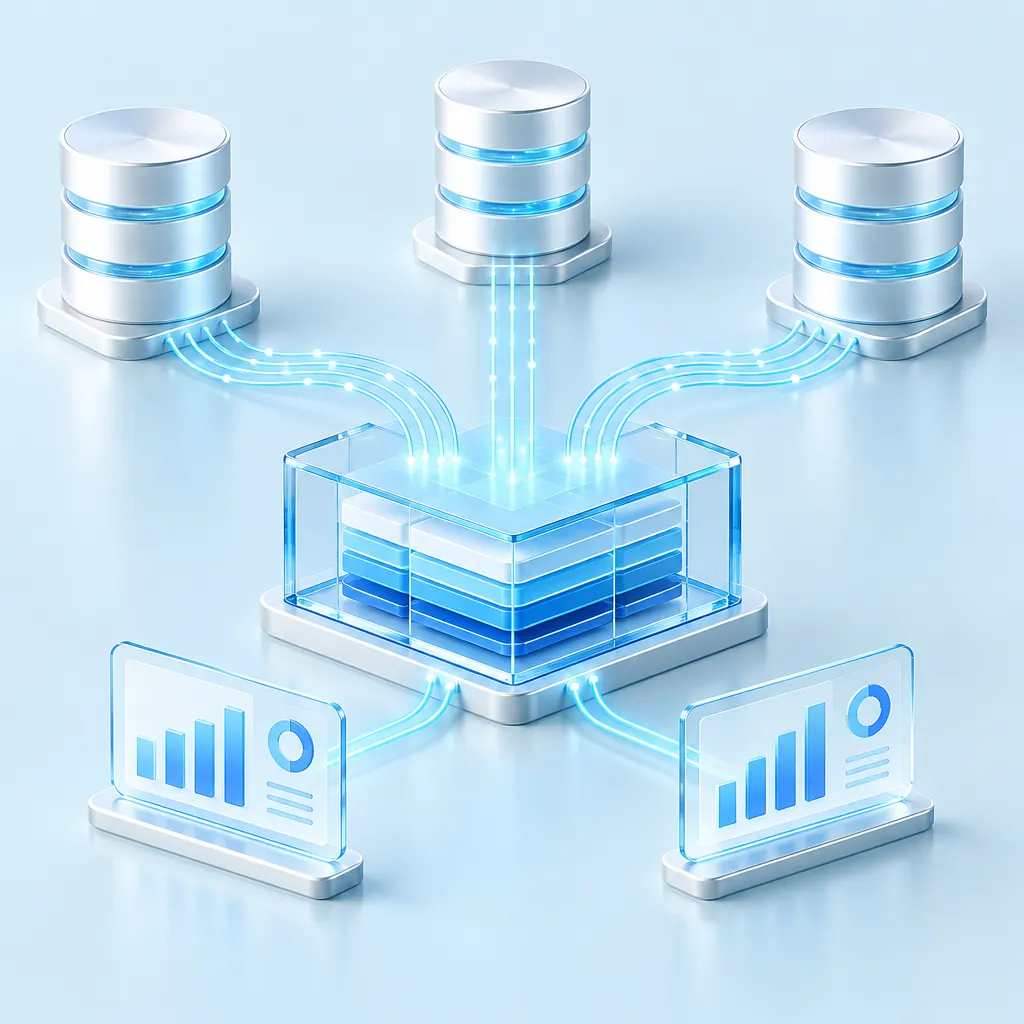
Data is pulled by hand from systems that were never built to share it, so every AI idea turns into a data problem.
We move legacy sources onto one governed platform and run old and new side by side until the numbers match.
Map my data sourcesThe AI plan depends on systems nobody wants to touch.
Core systems are costly to change and risky to replace, and a failed modernization would be worse than none.
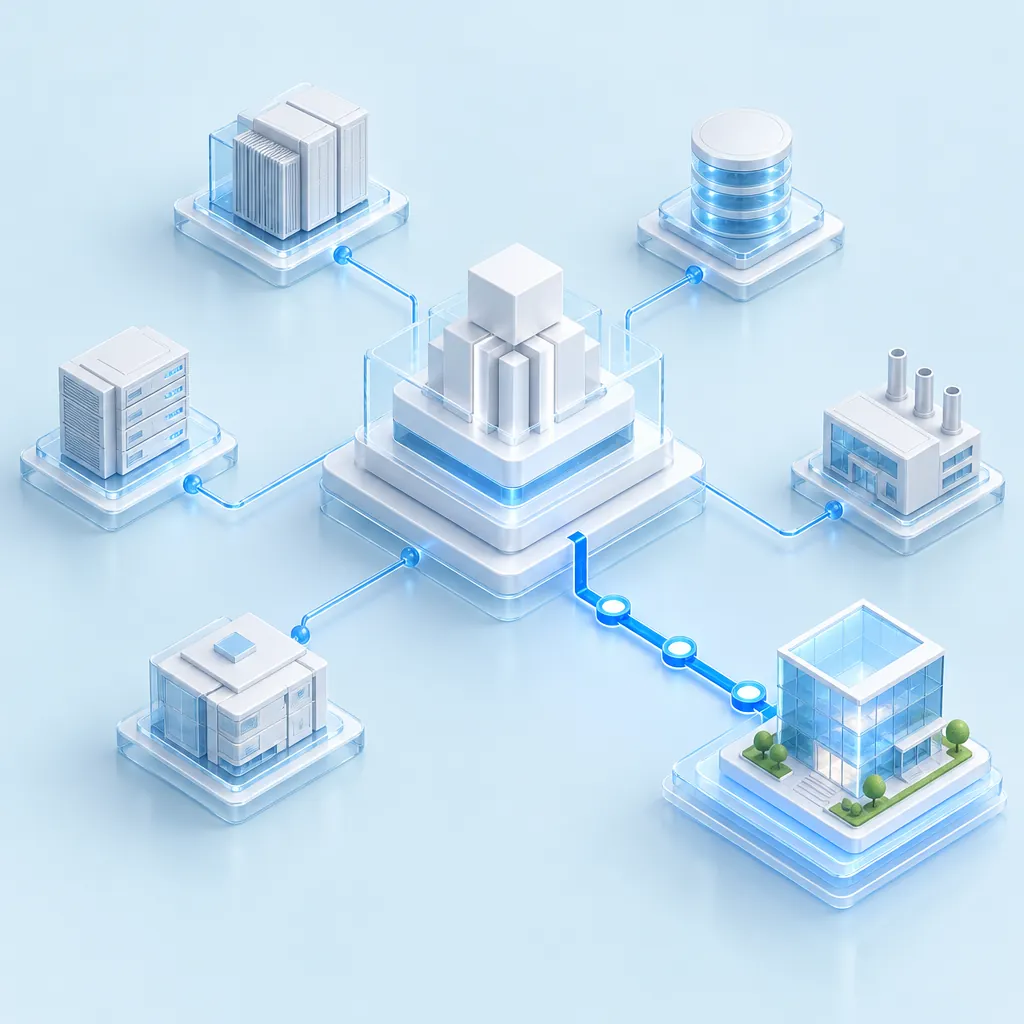
In two weeks we show which systems block your plans, which can be opened up with an API instead, and which to leave alone.
Get a prioritized planThe legacy stack slows every release.
Aging COBOL or Java, a single-server app, or code only one person understands. Every change carries risk.
We modernize code alongside your team, using AI-assisted engineering to work through unfamiliar code faster.
Talk to an engineer
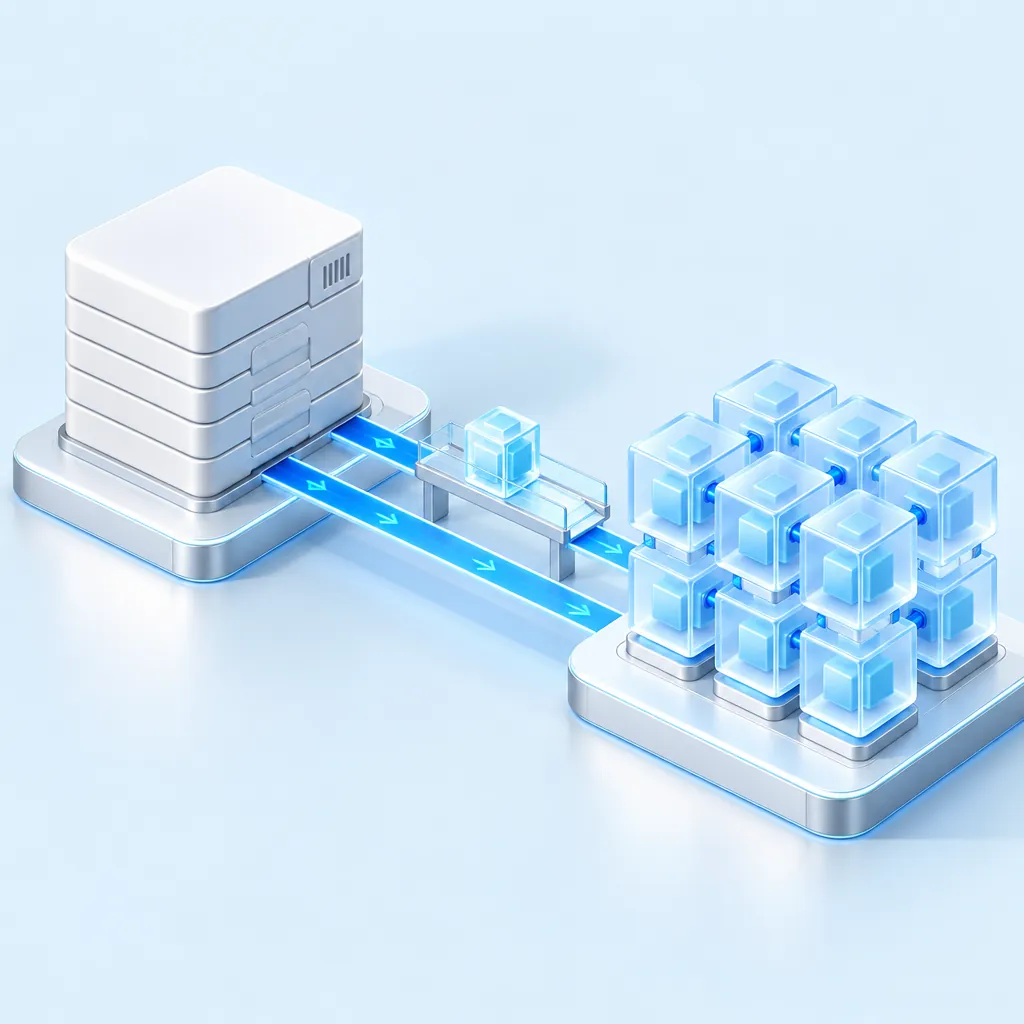
When Does a Legacy System Need Modernizing?
Age alone isn't the reason. These are:
- 1.Reports from different systems don't agree
- 2.Data comes out through manual exports, not a feed or API
- 3.Every new integration is a custom build
- 4.Only one or two people understand the code
- 5.It can't be patched safely, or vendor support is ending
Which Modernization Approach Is Right for Your System?
Choose by what the system needs to do next, not by how old it is.
| Option | What it means | Choose it when |
|---|---|---|
| Leave it (retain) | No change for now | It's stable, supported and not blocking anything |
| Open it up (API layer) | Add APIs around a sound system | New apps or AI need to reach it, but the core works |
| Move it (rehost, replatform) | New infrastructure or runtime, little code change | The hardware or hosting is the problem |
| Restructure it (refactor, re-architect) | Rework the code or architecture | The design blocks scaling, integration or change |
| Replace or retire it (rebuild, replace, retire) | New build, off-the-shelf software, or switch off | It's a commodity function, a dead end, or no longer used |
Why Modernize Legacy Systems for AI?
AI can only use what it can reach. Most legacy systems were built for people and overnight batches, not for models and agents.

Data it can read
Legacy blocker
Batch exports, siloed databases
The fix
A governed modern data platform

Actions it can take
Legacy blocker
Logic trapped behind screens, no APIs
The fix
An API layer, then re-architecture if needed

Reliable response at volume
Legacy blocker
Single server, fixed capacity
The fix
Scalable cloud infrastructure
Often the fastest route isn't a migration. Opening up a sound core system through APIs can unblock an AI initiative sooner, and leaves the bigger decision for when you have evidence.
How Does a Legacy Modernization Project Work?
 01
Discovery
2 weeksMap systems, dependencies, data flows and business rules. Score each system on criticality, change frequency and risk.
You get
- • A system map
- • A risk register
- • A recommended approach for each system (including which to leave alone)
- • A leadership readout
 02
Plan
Sequence the work by value and risk.
You get
A phased plan and implementation scope.
 03
Prove, then phase
Modernize one slice in production first. Then run old and new in parallel, move users across in stages, and reconcile results, with a rollback path for every phase.
You get
Working releases while the business keeps running.
 04
Handover
Documentation and knowledge transfer throughout.
You get
Your team owns and runs the system.
What Can AI Actually Do in Legacy Modernization?
Our engineers use AI coding assistants, including Cursor and Claude, to read unfamiliar code, document business rules, draft tests and produce first-pass changes. We used AI-assisted engineering to migrate a financial services firm's COBOL code to Java. Every change is reviewed, tested and owned by an engineer.
 AI speeds up |  Engineers still own | |
|---|---|---|
| Code understanding |  Reading and summarizing legacy code |  Confirming what behavior the business depends on |
| Business rules | Documenting business rules | Validating rules with the people who use the system |
| Testing | Generating tests from existing behavior | Deciding and signing off what "equivalent" means |
| Code modernization | First-pass code translation | Architecture, security and performance under real load |
Modernization proof
Legacy Systems We've Modernized
Cloud Titans Ltd
xLoop architects meticulously planned and executed the migration, ensuring minimal disruption to our operations.
- Client
- A financial services firm
- What we did
- Modernized RPG applications, migrated COBOL code to Java using AI-assisted engineering, and moved applications and data to private cloud
- Outcome
- Completed with minimal operational disruption
- Client
- A leading South African retailer
- What we did
- Brought data from every source into a single governed platform
- Outcome
- Reporting, analysis, data science and AI now run from one trusted source
- Client
- One of Pakistan's leading NGOs
- What we did
- Migrated and modernized a national immunization platform and scaled its data infrastructure
- Outcome
- Over a billion immunization records for 4,000+ frontline health workers, on a foundation it can keep building on
- Client
- A leading Middle East retail and real estate group
- What we did
- Mapped every application, workload and data dependency, built a total-cost-of-ownership model and sequenced the move into migration waves, jointly with Microsoft
- Outcome
- A migration plan the business can fund and run in controlled waves
- Client
- A water utility
- What we did
- Traced slowdowns to root causes in existing code and re-engineered it, without replacing the platform
- Outcome
- Dependable data for operational decisions, from the platform the utility already owned
We've also migrated single-server ecommerce applications to AWS, upgraded PHP applications and run cloud-to-cloud migrations.
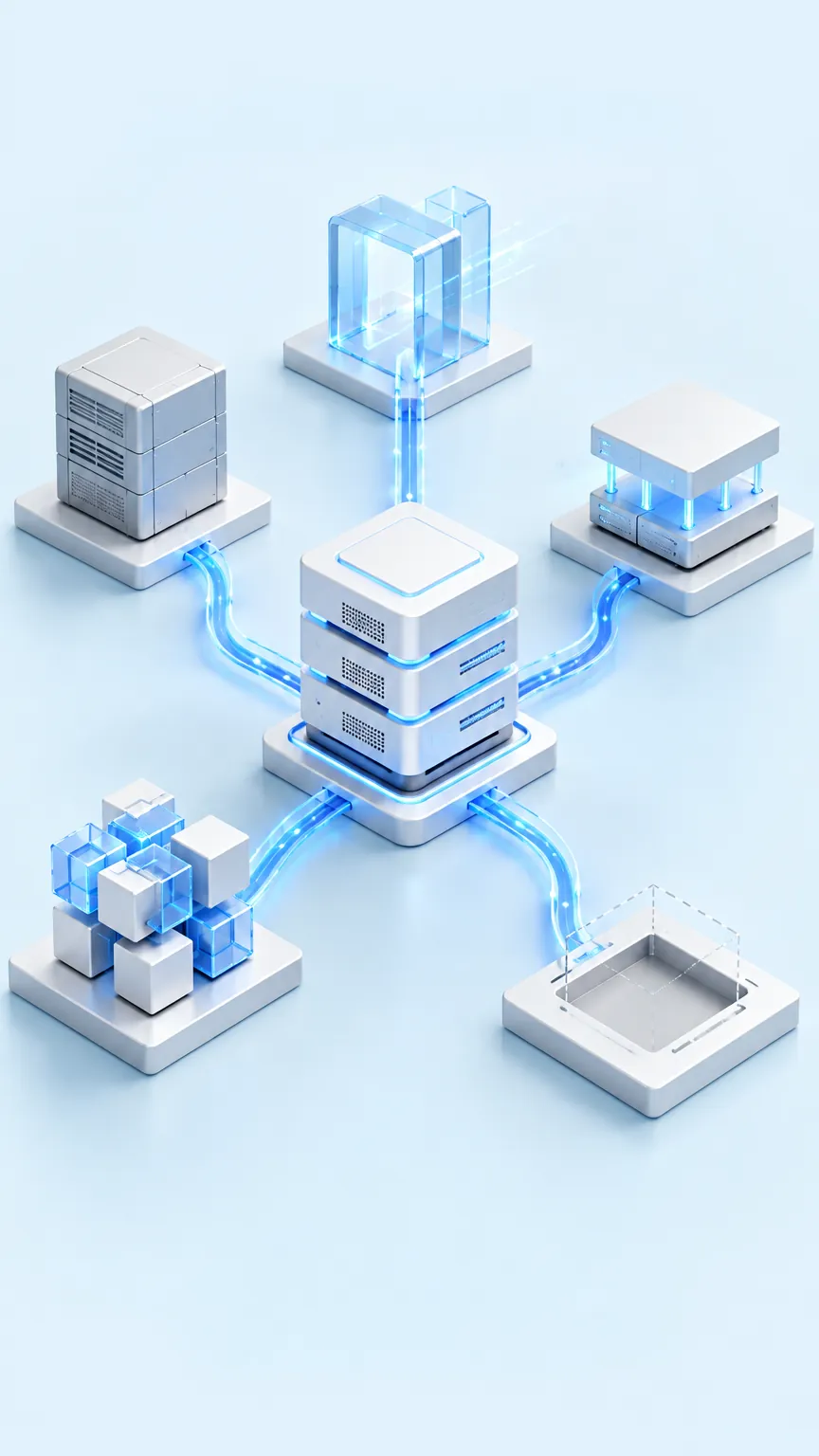
Legacy System Modernization at a Glance
| Who it's for | Heads of data, CIOs, CTOs and engineering leaders at mid-size and large organizations |
|---|---|
| Common triggers | Vendor support ending · data-center exit · AI or analytics blocked · integration backlog · audit findings · maintenance cost |
| Where to start | Two-week Legacy Modernization Discovery |
| Approaches | Retain · API layer · Rehost · Replatform · Refactor · Re-architect · Rebuild · Replace · Retire |
| Delivered from → to | COBOL → Java · RPG → private cloud · Java 8 → modern Java · SAP ERP/BW → Snowflake · single server → AWS · PHP upgrades · cloud-to-cloud |
| AI in delivery | Cursor and Claude, with every change reviewed by an engineer |
| Engagement models | Scope-based project · embedded specialists · retainer advisory |
| Technology partners | AWS · Microsoft · Snowflake · Databricks · Salesforce |
| Industries | Financial services · Retail · Healthcare · Energy and utilities · Transport and logistics |
| Offices | Karachi · San Mateo · Dubai · Doha |
| Not a fit | Large mainframe replacement programs · systems that are stable and blocking nothing (we'll say so) |
Legacy System Modernization FAQ
By never switching everything over at once. Old and new systems run in parallel, users or transactions move across in stages, results are reconciled between the two, and every phase has a rollback path. Short, scheduled cutover windows may still be needed. An all-at-once switchover isn't.
It starts with a two-week discovery. Rehosting a well-understood application can then take weeks. Re-architecting a core system many processes depend on can take a year or more, delivered in phases that each produce something usable. Discovery gives you the timeline for your own systems before you commit.
Five things drive it: codebase size and complexity, how well it's documented, the approach chosen for each system, how much data has to move, and how long parallel running needs to last. A credible estimate comes after discovery, not before it.
Only the parts the AI needs to reach. If a legacy system blocks the data an AI needs, or the actions an agent needs to take, fix that first, often with an API layer. If it doesn't, start the AI work now.
That's the normal case. We rebuild an understanding of the system from its code, its data and how people use it, document the business rules that matter, and confirm them with users before anything changes.
Partly. AI speeds up reading, documenting, testing and first-pass translation, and we used it to migrate COBOL to Java. It doesn't prove the new system behaves like the old one, so engineers still review, test and own every change. Whether AI tools are used on your codebase is agreed with you before work starts.
The ones that are stable, supported, rarely changed and not blocking anything. If a sound system is simply hard to reach, add an API layer and leave the core alone. If an assessment recommends modernizing everything, question it.
We set data classification, access controls and reconciliation checks before the first transfer, and keep both environments under the same controls during parallel running. For regulated data, our certified ISO 27001 and ISO 42001 Lead Auditors are part of the engagement.
Start With the Systems That Are Actually in the Way
Tell us what you're running and what it's blocking. In two weeks, you'll know what to modernize, what to open up with an API, and what to leave alone.
Insights
What's Working in Data & AI
 Artificial Intelligence
JUL 2025 · 20 MIN
The Role of Generative AI in Accelerating Legacy System Modernization
 Artificial Intelligence
DEC 2025 · 18 MIN
Why Most Enterprise AI Projects Stall After the Pilot (And How to Fix It)
 Artificial Intelligence
NOV 2025 · 12 MIN
Why Data Quality Is the Real Backbone of AI Success
 Cloud Computing
FEB 2025 · 13 MIN
The Unheard Benefits of Cloud Migration for Your Business
 Artificial Intelligence
JUL 2025 · 27 MIN
Enterprise Data Transformation: Building Future-Proof, AI-Driven Strategies
 Artificial Intelligence
NOV 2025 · 10 MIN
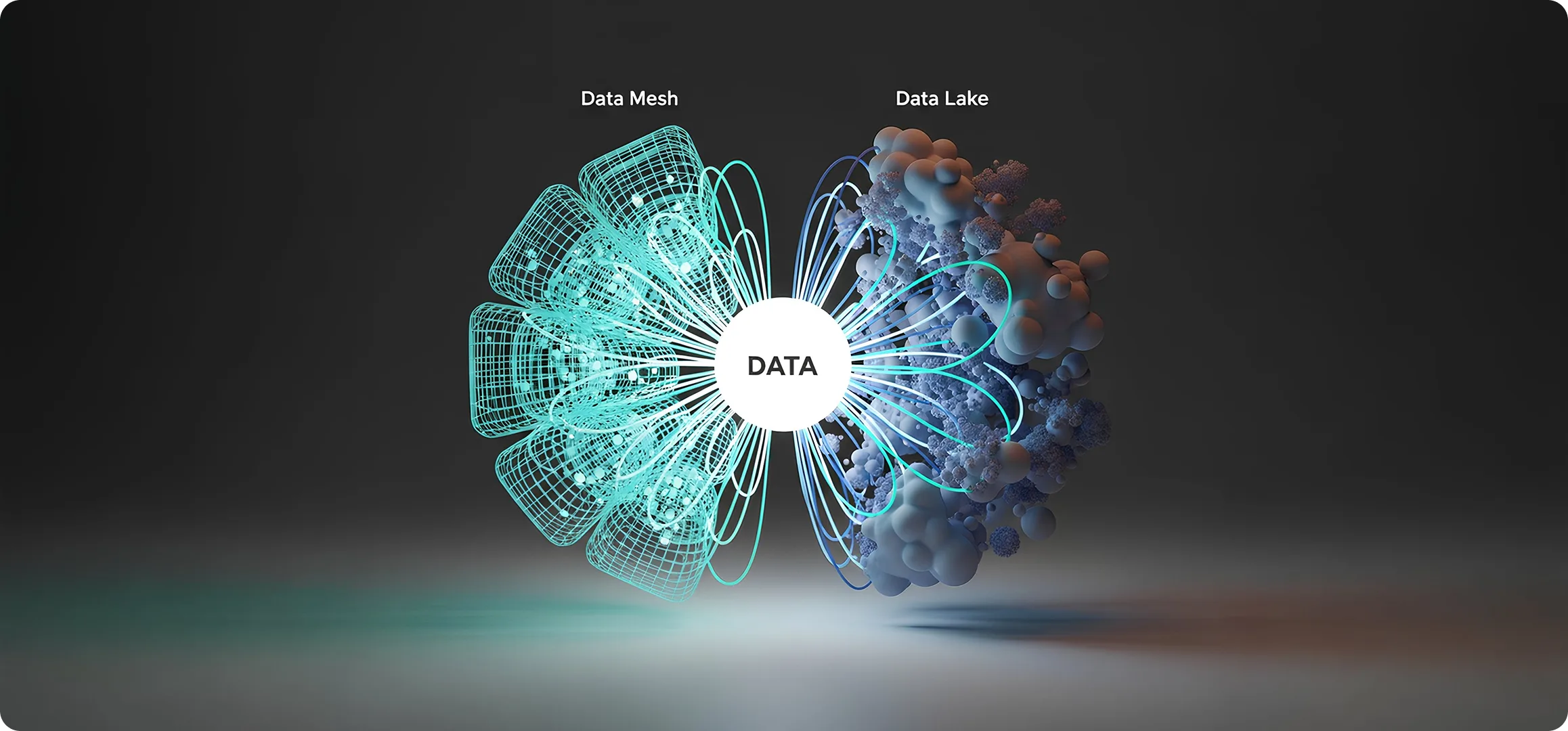
Data Mesh vs. Data Lake: Which Architecture Fits Your Business Needs in 2025?